Call This Sunday to Get $75 OFF

Call ThisSunday to Get $75 OFF (Service of $250 or more)

24 Hour Emergency Plumbers in Pittsburgh and nearby cities.

4.7 / 5 Ratings based on 1273 reviews

Your Neighborhood Plumbers

image

October 17,2026

The Hidden Clues Inside Your Walls: How to Tell What Kind of Pipes Your Home Has

Most homeowners rarely think about their plumbing pipes until a leak, clog, or drop in water pressure disrupts daily life. Yet the pipes hidden behind walls, beneath floors, and inside crawl spaces can reveal a lot about your home's plumbing condition. Some materials last for decades with proper maintenance, while others become vulnerable to corrosion, leaks, or deterioration as they age.

Knowing what type of pipes your home has can help you recognize potential problems and decide whether repairs, targeted replacement, or whole-house repiping makes sense. You don't need to open your walls to begin investigating. A few visible clues can help you narrow down the possibilities.

Start With Exposed Pipes Under Sinks and in Utility Areas

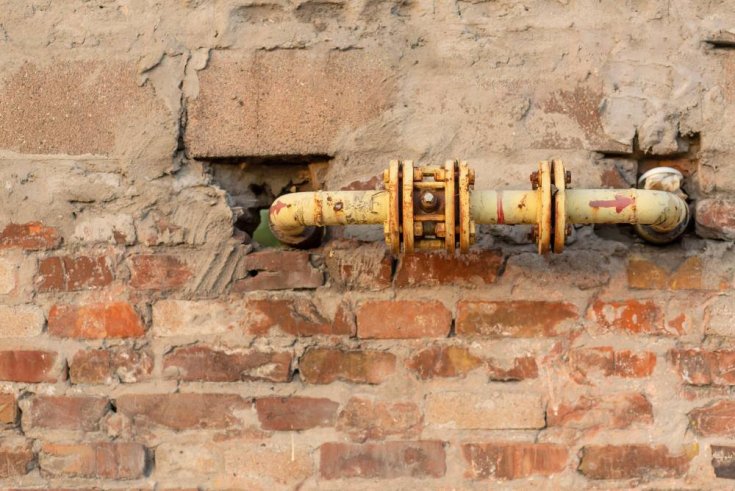
The easiest place to identify your plumbing pipes is wherever they are already visible. Look beneath bathroom and kitchen sinks, around your water heater, in unfinished basements, or inside accessible utility rooms. Check the pipe's color, surface texture, and markings, but avoid disturbing connections that appear corroded or damaged.

Copper pipes typically have a reddish-brown appearance, although older copper may develop a greenish patina. Plastic pipes are usually easier to distinguish. PVC is white, while CPVC is commonly cream or light tan. PEX is flexible and may be red, blue, white, or another color depending on the manufacturer.

Color alone cannot confirm a pipe's material, especially when it has been painted or covered with insulation. Look for printed labels or manufacturer markings where accessible, and remember that a home can contain several different pipe materials from repairs and renovations completed over the years.

Recognize the Warning Signs of Galvanized Steel Pipes

Galvanized steel pipes were commonly used in older homes. They have a gray, metallic appearance and are usually rigid, with threaded connections. The steel was coated with zinc to help protect it from corrosion, but that protective layer can deteriorate over time.

As corrosion develops inside galvanized pipes, rust and mineral deposits can narrow the opening and restrict water flow. You may notice declining pressure, brownish water after a period of inactivity, or recurring leaks near joints. These symptoms do not automatically confirm galvanized piping, but they warrant further investigation.

If your home was built several decades ago and has never had significant plumbing updates, identifying the pipe material is particularly worthwhile. A plumbing service in North Hills, PA can inspect accessible sections and determine whether the pipes are still serviceable or showing signs of internal deterioration.

Check for Older Drain and Supply Pipe Materials

Different plumbing systems can use different materials for water supply and drainage. Cast iron is a heavy, dark metal commonly found in older drain, waste, and vent systems. It can last for many years, but corrosion may eventually cause rough internal surfaces, cracks, or leaks.

Lead pipes may appear dull gray and can sometimes be identified by their soft metal, but homeowners should not test a suspected pipe by cutting, scraping, or bending it. Lead exposure is a serious concern, and appearance alone is not a dependable identification method. If you suspect lead plumbing, contact a qualified professional plumber to assess the system and discuss appropriate testing or replacement.

Some older homes may also contain polybutylene supply pipes, which are usually gray or blue plastic. These pipes were used in many homes built from the late 1970s through the mid-1990s and can become vulnerable to deterioration. A professional inspection by plumbing service can help determine whether this material is present and what action may be appropriate.

When Should You Have Your Plumbing Pipes Inspected?

Visible corrosion, repeated leaks, discolored water, unexplained pressure changes, and frequent plumbing repairs are good reasons to arrange an inspection. The same applies when buying an older home or renovating a bathroom or kitchen.

A plumber can identify accessible pipe materials, evaluate their condition, and investigate sections hidden behind walls using suitable inspection methods. Depending on the findings, the best option may be a localized repair, replacement of a damaged section, or a broader repiping project.

Do You Need Whole-House Repiping? Contact Mr. Rooter Plumbing Today

Are you dealing with frequent pipe leaks? Have your pipes reached the end of their lifespan? These are signs that it’s time to repipe your home. Whole-house repiping improves water quality, restores your home’s water pressure, eliminates recurring water leaks, and increases property value. At Mr. Rooter Plumbing, we pride ourselves in offering quality repiping services at budget-friendly rates. Call us now or send an online message to book an appointment and request an estimate for repiping your home.

Recent News

17

October

The Hidden Clues Inside Your Walls: How to Tell What Kind of Pipes Your Home Has

Most homeowners rarely think about their plumbing pipes until a leak, clog, or drop in…

The Hidden Clues Inside Your Walls: How to Tell What Kind of Pipes Your Home Has
07

October

Is Your Yard Trying to Tell You Something? 4 Underground Pipe Failure Red Flags

Underground utility plumbing works constantly behind the scenes to deliver clean water and remove wastewater…

Is Your Yard Trying to Tell You Something? 4 Underground Pipe Failure Red Flags
03

October

Snowmelt, Heavy Rains, and Your Basement: Preparing Your Pittsburgh Home for Storm Season

Pittsburgh homeowners know that water problems do not always arrive with a dramatic storm. A…

Snowmelt, Heavy Rains, and Your Basement: Preparing Your Pittsburgh Home for Storm Season
22

September

Soggy Yard or Collapsed Line? Spotting Underground Pipe Failure Before Flooding

Underground pipe failure is no small issue—it can lead to severe water damage, foundation erosion,…

Soggy Yard or Collapsed Line? Spotting Underground Pipe Failure Before Flooding
15

September

Unsanitary Cracks & Stains: When Porcelain Damage Becomes a Health Risk

At first glance, hairline cracks and stains might not seem like a big deal. In…

Unsanitary Cracks & Stains: When Porcelain Damage Becomes a Health Risk
08

September

The Musty Smell You Can’t Shake: Is Hidden Mold Hiding a Water Leak?

Is there a persistent musty smell in your home? Have you noticed discoloration on walls,…

The Musty Smell You Can’t Shake: Is Hidden Mold Hiding a Water Leak?
04

September

Is Your Home Tankless-Ready? What to Know Before Making the Switch

If running out of hot water too quickly has become a common occurrence or your…

Is Your Home Tankless-Ready? What to Know Before Making the Switch
25

August

Underground Warning Signs: Is Your Main Water Line Quietly Failing?

When you think about protecting your home, you probably think about the electrical system, the…

Underground Warning Signs: Is Your Main Water Line Quietly Failing?
19

August

Sewer Line Broken? How Trenchless Repair Saves Your Lawn, Landscaping, and Driveway

Few plumbing problems feel as stressful as a broken sewer line. The worry often goes…

Sewer Line Broken? How Trenchless Repair Saves Your Lawn, Landscaping, and Driveway
14

August

Pipes from the Eisenhower Era? How Old Is Too Old for Home Plumbing?

Older homes built between 1953 and 1961 (Eisenhower Era) are full of char, from original…

Pipes from the Eisenhower Era? How Old Is Too Old for Home Plumbing?