Professional Gas Line Installation
Adding a gas appliance, extending service to a new part of your home, or building from the ground up all come with the same requirement. The gas line work has to be done right the first time. Gas line installation isn't a project where cutting corners or guessing on sizing has a minor consequence. The stakes are high, and the margin for error is essentially zero. Mr. Rooter Plumbing handles gas line work with the kind of precision and care the job demands, and we've seen what happens when it gets treated as an afterthought. Keep reading to understand what proper installation involves, what the process looks like, and why who you hire matters.
When a New or Extended Gas Line Is Necessary
Not every gas project is a new build. Homeowners add gas lines when they're switching from electric appliances to gas, finishing a basement, adding an outdoor kitchen, or installing a whole-house generator. Each of those projects creates new demand on the existing system, and that demand has to be accounted for before any pipe gets run.
A gas line installer will evaluate whether your current line can support additional load or if the service needs to be extended from the meter. In some cases, the existing supply line is undersized for what you're adding, and trying to pull more gas through it causes pressure drops that affect every appliance connected to the system. That affects how appliances ignite, how they run, and in some configurations, whether they produce dangerous levels of carbon monoxide.
Gas line repair in Pittsburgh is also a trigger for this kind of evaluation. If a technician finds a corroded pipe, inadequate sizing, or a run that doesn't meet current code, the smarter move is gas line replacement rather than patching a system that's already compromised.
The Materials Used in Modern Gas Line Installation and Why They Matter
Gas line materials have changed substantially over the past few decades. Black steel pipe was the standard for years, but corrugated stainless steel tubing has become common in new construction because it's flexible, faster to install, and handles seismic movement better than rigid pipe.
Each material has specific installation requirements. CSST requires bonding to protect against electrical arcing, which can cause leaks or fires if the bonding is skipped. Steel pipe requires properly threaded fittings and the right thread sealant. Using plumber's tape rated for water on a gas line is a code violation and a safety issue.
The material choice also affects longevity. A gas line replacement in Pittsburgh may involve upgrading from older steel runs that have corroded from the outside due to soil conditions or moisture. Matching material to the environment is part of doing the job correctly.
Permits, Inspections, and Code Compliance
Pulling a permit for natural gas line installation is a process that gets a licensed inspector to verify the work before the line goes into service. Skipping permits means no inspection, no record of the work, and serious liability exposure if something goes wrong. That includes the possibility that your homeowner's insurance denies a claim tied to unpermitted work.
The permit process requires submitting the scope of work to the local authority having jurisdiction. The AHJ in Pittsburgh follows the International Fuel Gas Code with local amendments, and inspectors check pipe sizing, materials, support spacing, bonding requirements, and pressure testing results. A plumber who pulls permits and schedules inspections as a standard part of the job is protecting the homeowner.
Pressure testing is required before any new gas line goes live. The test involves pressurizing the line and monitoring it for a set period to confirm there are no leaks at fittings, connections, or joints. The line doesn't get turned on until it passes.
How Improper Sizing Affects Appliance Performance and Safety
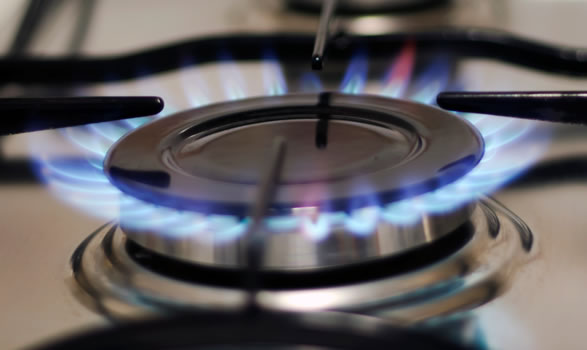
Undersized gas lines are one of the most common problems found during a gas line repair in Pittsburgh. A line that can't deliver adequate volume causes appliances to run lean, which means they don't get enough gas to maintain the flame or reach the correct combustion ratio. A lean burn on a gas range affects cooking performance. On a furnace or water heater, it produces elevated carbon monoxide output and accelerates heat exchanger wear.
Sizing a gas line requires calculating the total BTU demand of every appliance connected to the system, then working backward through the pipe length and fittings to determine the minimum pipe diameter that delivers the right pressure at each outlet. This is a calculation based on published capacity tables, and it has to account for future appliances if the homeowner plans to add them.
Oversizing isn't the answer either. Excessively large pipe runs cost more and can create velocity issues in certain configurations. A qualified gas line installer sizes the system to meet actual demand with an appropriate capacity margin.
What the Installation Timeline Looks Like for a Typical Residential Project
A basic residential natural gas line installation in Pittsburgh, like running a new line to a kitchen range or dryer location, typically takes one to two days from rough-in to pressure test. More complex projects, like running gas to a detached garage or installing a manifold system for a new build, take longer depending on the length of the run and the complexity of the routing.
Permit timelines vary. Some municipalities issue same-day or next-day permits for residential gas work, but others have a review backlog. A plumber in your area knows the local process and can give you a realistic schedule upfront. Surprises at the permit stage usually happen when the contractor isn't familiar with the jurisdiction.
Gas line replacement projects add a disconnection and removal step. The existing line has to be properly decommissioned before the new system goes in. That adds time, but skipping it creates code violations and can leave abandoned lines in the wall that create confusion for future work.
Do You Need a Gas Line Replacement in Pittsburgh, Pennsylvania?
Gas line work doesn't leave room for second chances. Whether you need natural gas line installation for a new appliance, gas line repair on an existing system, or a full gas line replacement in Pittsburgh, the outcome depends on the knowledge and attention the technician brings to the job.
Mr. Rooter Plumbing sends licensed, experienced technicians who pull permits, pressure test every line, and complete the work to code. We've handled gas line installation in Pittsburgh across hundreds of residential projects, and we stand behind the work we do. Call us to schedule an assessment and get the job done correctly the first time.